What Are Digital Products and How to Make Money Selling Them in 2026

Have you ever bought an ebook, downloaded a Canva template, or taken an online course?
If so, you’ve already purchased a digital product — and someone made money the moment you clicked “buy.” That transaction happened automatically, while they slept, while they were on holiday, while they were doing something else entirely.
That someone could be you.
Digital products are one of the most powerful beginner-friendly income streams available in 2026. No warehouse. No shipping. No inventory. No customer service nightmares. You create something once, list it on a platform, and it sells over and over — sometimes for years — without you touching it again.
In this guide you’ll learn exactly what digital products are, the 10 best types to sell as a beginner, where to list them, how to price them, and how to make your first sale even if you have zero audience and zero experience.
Let’s get into it. 💡
💡 While you build your digital product business — earn something today.
Swagbucks pays you for surveys, videos, and online shopping cash back. New members get a free $10 bonus just for signing up.
👉 Claim your free $10 Swagbucks bonus →✅ Free to join ✅ No experience needed ⭐ Trusted by 20M+ members
What Are Digital Products?
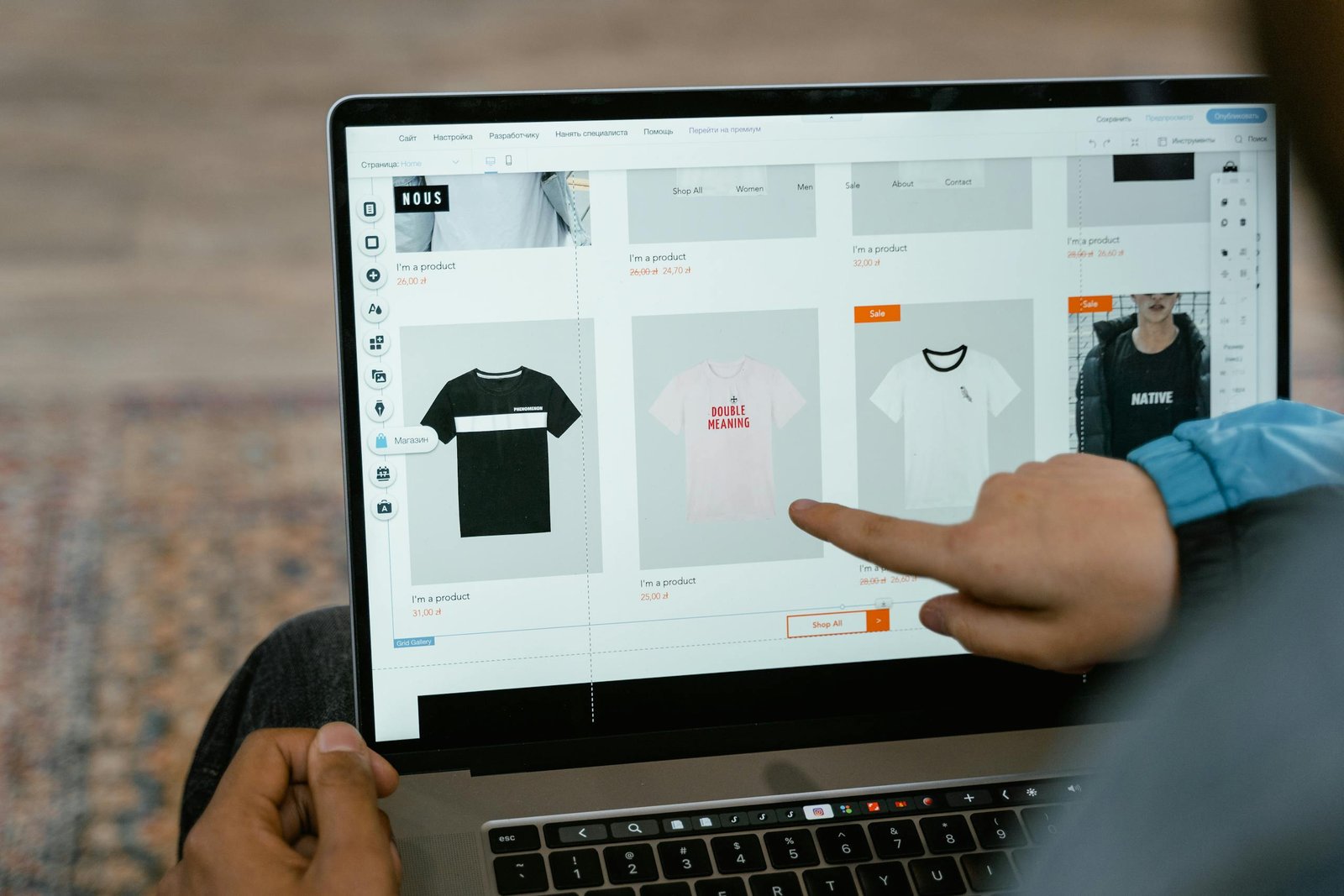
A digital product is anything you can sell and deliver online — no physical item required. The buyer pays, the file or access link arrives in their inbox instantly, and the whole thing happens automatically without you doing a single thing.
Think of it this way: instead of selling a physical notebook, you sell a printable planner as a PDF. Instead of teaching in-person classes, you record a video course once and sell access to it indefinitely. Instead of consulting one client at a time, you package your knowledge into an ebook that reaches thousands of people simultaneously.
That’s the magic of digital products — they’re infinitely scalable. You do the work once, and every sale after that is nearly pure profit. There’s no “out of stock.” There’s no shipping delay. There’s no restocking.
Why Digital Products Are Perfect for Beginners in 2026 💡
You don’t need a huge following, a fancy website, or a lot of startup money to get started. Here’s why digital products are one of the best income streams available right now:
| Advantage | What It Means For You |
|---|---|
| Low startup cost | Canva, Google Docs, and Gumroad are all free to start |
| No shipping or inventory | Everything is delivered automatically — zero fulfilment work |
| Passive income potential | Products sell while you sleep, travel, or do other work |
| Work from anywhere | All you need is a laptop and Wi-Fi |
| Keep most of the profit | Platforms take a small cut (5–20%); the rest is yours |
| No experience required | If you know something useful, you can package and sell it |
| Scales without extra work | 10 sales takes the same effort as 1,000 sales |
The 90%+ profit margin is what makes digital products genuinely different from almost every other beginner income stream. A $27 ebook that cost you nothing but time to create keeps $25+ of every sale. That compounds fast.
10 Best Types of Digital Products to Sell

Not sure what kind of digital product to create? Here are the 10 most popular and beginner-accessible options — with honest context on each one.
1. Ebooks
Ebooks are the easiest entry point for most beginners. Pick a topic you know well, write it in Google Docs or Canva, export it as a PDF, and list it on Gumroad or Etsy.
Topics that sell consistently: budgeting guides, beginner how-tos, recipe collections, parenting tips, and anything in the make-money-online space. No design experience needed — a clean, well-organised 15-page ebook beats a cluttered 60-page one every time.
2. Printables
Printables are digital files that buyers download and print at home — planners, meal prep sheets, habit trackers, wedding checklists, budget templates, kids’ activity pages, and more.
They’re fast to create (a few hours in Canva), sell incredibly well on Etsy, and require zero ongoing work after the initial listing. Many Etsy sellers earn $500–$3,000/month from printable shops with just 20–50 listings.
3. Online Courses
If you know how to do something — use Canva, manage social media, do bookkeeping, cook a cuisine, speak a language — you can teach it in an online course.
Record your lessons as short videos, organise them into modules, and sell access on Teachable, Gumroad, or your own site. Courses command the highest prices of any digital product type — $47 to $497 for a well-produced course is entirely realistic.
4. Templates
People pay real money for time-saving templates. Resume templates, email newsletter templates, budget spreadsheets, social media content calendars, Canva graphic packs, pitch deck templates — all sell consistently on Etsy, Creative Market, and Gumroad.
Templates are particularly beginner-friendly because they require no writing skills — just the ability to create something organised and useful.
5. Notion Templates and Digital Planners
Notion templates and digital planners for apps like GoodNotes are among the fastest-growing digital product categories in 2026.
Productivity enthusiasts, students, and business owners are spending real money on well-designed systems for journaling, project management, and habit tracking. If you use Notion yourself, you already have the raw material.
6. Lightroom Presets and Filters
Photography presets for Lightroom and social media filters are popular with content creators and small business owners who want consistent, professional-looking visuals without hiring a photographer. If you have an eye for editing, a pack of 10–20 presets can be created in a weekend and sell for years.
7. Stock Photos, Video, and Music
Photographers, videographers, and musicians can sell their work as stock content on platforms like Shutterstock, Adobe Stock, Pond5, and Epidemic Sound. Every upload is a passive income asset that earns royalties indefinitely. This takes time to build but compounds powerfully over a library of hundreds of assets.
8. Fonts, Graphics, and SVG Files
Custom fonts, icons, clip art, and SVG files sell on Creative Market and Design Bundles. These are niche products with passionate buyers — designers, crafters, and small business owners who need unique visual assets. If you have design skills, this is a high-margin, evergreen product category.
9. Software, Apps, and Plugins
If you have coding skills — or can hire someone who does — software tools, WordPress plugins, and browser extensions are among the highest-value digital products available. A useful WordPress plugin can sell for $49–$199 and generate thousands of sales with minimal ongoing maintenance.
10. Audio Products and Guided Content
Meditation recordings, guided journals, sleep stories, sound effects, and audio courses are growing digital product categories in 2026. If you’re comfortable with your voice and have knowledge worth sharing, audio products are worth exploring — especially as podcast and audio content consumption continues to grow.
⚡ Building something takes time. Swagbucks earns you money today — with zero experience required.
New members get a free $10 welcome bonus just for joining.
👉 Join Swagbucks free + claim your $10 →🎁 Free Download: Work-From-Home Starter Kit
25 legit websites + a simple plan to make your first $100 online. Free PDF, instant access.
Free, no spam, unsubscribe anytime.
How to Make Money Selling Digital Products — Step by Step
Step 1: Pick Your Product Idea
Start with what you already know. The best digital products solve a specific problem for a specific person — the more targeted your idea, the easier it sells.
Ask yourself these three questions:
- What do people regularly ask me for help with?
- What did I figure out that took me a long time to learn?
- What would have saved me time or money 12 months ago?
Your answer is your first product idea. Validate it before you build: search Etsy for similar products, check if they’re selling, and read the reviews of existing products to find what buyers wished was better. That gap is your opportunity.
Step 2: Create Your Product
You don’t need expensive tools. Here’s what actually works for each product type:
| Product Type | Free Tool | Paid Alternative |
|---|---|---|
| Ebooks and guides | Google Docs + Canva | Adobe InDesign |
| Printables and templates | Canva (free plan) | Canva Pro ($13/month) |
| Online course videos | Loom (free), OBS | Camtasia |
| Audio products | Audacity (free) | Adobe Audition |
| Notion templates | Notion (free plan) | Notion Plus |
| Spreadsheet templates | Google Sheets (free) | Excel |
Keep it simple at first. A clean, well-organised 15-page ebook beats a cluttered 60-page one. A functional 5-page Notion template beats an over-designed one nobody knows how to use. Ship it, get feedback, improve it.
Step 3: Choose Where to Sell
Marketplaces (best for beginners):
| Platform | Best For | Fees | Audience |
|---|---|---|---|
| Etsy | Printables, templates, planners | 6.5% + $0.20 listing fee | Massive built-in buyer traffic |
| Gumroad | Ebooks, courses, any digital file | 10% (free plan) | Creators and readers |
| Teachable | Online courses and workshops | From $39/month | Course buyers |
| Payhip | Any digital product | 5% (free plan) | Simple, beginner-friendly |
| Creative Market | Fonts, graphics, templates | 40% commission | Designers and creatives |
Your own website: Once you’re established, selling from your own blog or site means keeping more profit and building your brand directly. A WordPress site with WooCommerce or a simple Hostinger store makes this straightforward. This is the long-term goal — but starting on a marketplace is completely fine while you build your audience.
💡 Full guide: How to Start a Blog and Make Money → — your own site is the highest-margin digital product business model available.
Step 4: Price Your Product
Here’s a practical starting point for digital product pricing in 2026:
| Product Type | Beginner Price | Established Price |
|---|---|---|
| Simple printable | $3–$8 | $8–$15 |
| Printable bundle (5–10 files) | $10–$20 | $20–$40 |
| Ebook (15–40 pages) | $9–$17 | $17–$37 |
| Template pack | $15–$27 | $27–$67 |
| Mini course (5–8 videos) | $27–$47 | $47–$97 |
| Full course (10+ modules) | $97–$197 | $197–$497 |
| Notion template pack | $9–$19 | $19–$47 |
One important pricing rule: don’t undercharge. Buyers associate price with quality. A $3 ebook signals low value before they’ve read a single word. If you’ve put real time and knowledge into your product, price it accordingly. You can always run a limited-time discount — but starting too low is very hard to recover from.
Step 5: Market Your Product
Creating the product is only half the job. Here’s how to get it in front of buyers — all beginner-friendly, mostly free:
Pinterest is the single most powerful free traffic source for digital products. A single pin linking to your Etsy listing or product page can drive traffic for years. Create 5 pins per product and repin them consistently. This is how many Etsy sellers get the majority of their sales.
Your blog is your highest-converting traffic source once established. Write posts related to your product topic and link to your product naturally within the content. A blog post ranking on Google for “free budget planner printable” can drive thousands of buyers per month.
Email list converts at 3–5x the rate of social media. Even 200 subscribers who specifically opted in because they want what you offer will generate more sales than 2,000 Instagram followers. Build your list from day one with a free lead magnet.
Instagram and TikTok work well if you enjoy short-form content. Show the behind-the-scenes of creating your product, share tips related to your niche, and include your product link in your bio and stories.
💡 Full guide: How to Make Money on Pinterest → — the complete beginner strategy for driving product traffic from Pinterest.
How Much Can You Realistically Earn? 💰
This is the question everyone wants answered honestly. Here’s a genuine picture based on what consistent creators experience:
| Stage | Monthly Earnings | What Gets You There |
|---|---|---|
| Starting out (Month 1–3) | $50–$300 | First 5–15 Etsy listings; consistent Pinterest pinning |
| Growing (Month 4–8) | $300–$1,000 | 20–50 listings; email list building; SEO starting to kick in |
| Established (Month 9–18) | $1,000–$5,000 | 50+ listings; blog traffic; multiple product types |
| Scaling (Year 2+) | $5,000–$15,000+ | Course launches; affiliate partnerships; email list of 1,000+ |
The key variable is not talent — it’s consistency. The sellers earning $5,000/month from Etsy printables didn’t get there in 90 days. They published consistently, improved based on what sold, and kept going when the early numbers were small.
Most beginners see their first sale within 2–4 weeks of consistent effort. That first sale — however small — proves the model works and changes everything psychologically.
Common Mistakes to Avoid
Waiting for a “perfect” product before launching. Done is infinitely better than perfect. Your first product will not be your best — that’s normal and expected. List it, get real feedback from real buyers, and improve it. Perfecting something before launch is just procrastination with a better name.
Creating something nobody asked for. Validate before you build. Search your product idea on Etsy — are similar products selling? Read the 1-star reviews of existing products to find what buyers wanted but didn’t get. That gap is your opportunity.
Ignoring SEO on your listings. Whether you’re on Etsy, Gumroad, or your own blog, the right keywords in your title and description are how buyers find you. Spend 20 minutes researching keywords before you write a single listing. It makes a dramatic difference in visibility.
Giving up in the first 30–60 days. Most digital product sellers see very little in the first month. The traffic builds slowly, the algorithm takes time to index your listings, and buyer trust develops over consistent publishing. Give it 3–6 months of genuine effort before evaluating results.
Underpricing to attract buyers. A $2 printable gets fewer sales than a $9 one, not more — because buyers associate low prices with low quality. Price for the value you’ve created, not for the time it took.
💤 Digital Products Sell While You Sleep — But First, Swagbucks
Before your first product sale comes in, Swagbucks earns you real cash today — surveys, videos, and online shopping rewards.
New members get a free $10 bonus just for signing up.
👉 Join Swagbucks free and claim your $10 →✅ Free to join ✅ No experience needed ⭐ Trusted by 20M+ members
FAQ: Selling Digital Products for Beginners
Do I need a lot of followers to sell digital products?
No — and this surprises most people. Marketplaces like Etsy and Gumroad have built-in buyer traffic, so your first sales come from platform search, not your personal audience. Many sellers make their first sale within a week of listing with zero social media following. Your audience helps you scale, but it’s not what gets you started.
Do digital products really make passive income?
Yes — but “passive” is earned, not automatic. You put active work in upfront: creating the product, writing the listing, optimising for search, and building traffic. Once those pieces are in place, the income genuinely becomes passive — sales arrive while you’re doing other things. The key word is “once.” Most beginners spend 3–6 months in the active phase before the passive phase kicks in meaningfully.
What’s the easiest digital product to start with?
Printables and ebooks are the easiest entry points. Both can be created with Canva’s free plan, both can be listed on Etsy within a day, and neither requires technical skills. Printables have the additional advantage of being fast to create — a well-designed budget tracker or habit planner can be made in 2–3 hours and sell for years.
How do I deliver my digital product to buyers?
Etsy, Gumroad, and Payhip all handle delivery automatically. The buyer completes the purchase, and the download link arrives in their email instantly — no action required from you. This is one of the most compelling things about digital products: the fulfilment is completely automated.
Can I sell digital products without a website?
Absolutely. Etsy requires no website at all — just an account and your product files. Gumroad similarly is fully self-contained. Many sellers generate $1,000+/month from Etsy or Gumroad without any kind of blog or website. A website helps long-term because it gives you more control over traffic and margins — but it’s not required to start.
How much does it cost to start selling digital products?
If you use Canva’s free plan, Google Docs, Gumroad’s free plan, and Etsy’s basic listing structure — your startup cost is $0.20 per Etsy listing, and nothing else. Most successful digital product sellers start completely free and invest in tools only once they’re generating consistent income.
What if someone steals and shares my digital product?
It does happen occasionally, but less frequently than most beginners fear. Adding a copyright notice on the first page of your file, watermarking preview images, and using PDF security settings all help deter theft. Most legitimate buyers don’t share paid files — and the small percentage who do generally don’t significantly impact your revenue.
How is this different from affiliate marketing?
With digital products, you create the product and keep most of the revenue from every sale. With affiliate marketing, you promote someone else’s product and earn a commission (typically 5–50%). Both are valid income streams — and they work brilliantly together. Your digital products build your audience; affiliate marketing monetises that audience further.
💡 Full guide: Affiliate Marketing for Beginners → — how to combine digital products with affiliate income for maximum return.
Related Posts You’ll Find Helpful 💡
- How to Create and Sell Printables on Etsy → — the complete beginner’s guide to the easiest digital product to start with
- Best Affiliate Programmes for Beginners → — promote digital products as an affiliate without creating anything yourself
- How to Start a Blog and Make Money → — your own blog is the highest-margin platform for selling digital products long-term
- 29 Best Side Hustles in 2026 → — digital products ranked alongside every other major side hustle
- How to Make $100 a Day Online → — where digital products fit in a broader daily income strategy
Final Thoughts: Is Selling Digital Products Worth It in 2026?
If you’re looking for a flexible, low-startup-cost way to build real income online, digital products are one of the best options available — full stop.
You don’t need a degree. You don’t need a big following. You don’t need thousands of dollars. You need a skill or piece of knowledge, a free tool like Canva, and the willingness to create something and list it.
The people earning $5,000/month from digital products today all started exactly where you are right now — with their first idea and zero sales. What separated them from people who never got started is simply that they listed something and kept going.
Start with one product. Make it simple. List it today. Learn from real buyers. Build from there.
Your first sale changes everything — because it proves the model works with your name on it.
Have a question about getting started with digital products? Drop it in the comments below — I’d love to help!
Disclosure: This post contains affiliate links. If you sign up or purchase through my links, I may earn a commission at no extra cost to you. I only recommend tools and platforms I personally believe in.